

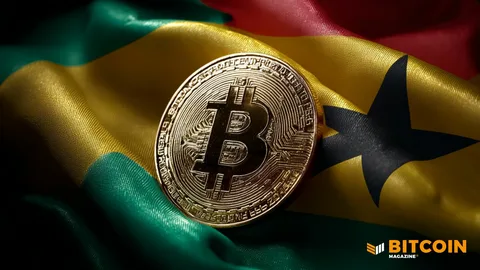
The landscape of digital finance in Africa is experiencing a transformative shift, and Ghana stands at the forefront of this revolution. The recent establishment of a comprehensive framework for safe cryptocurrency trading in Ghana marks a pivotal moment for the nation’s financial sector and positions the country as a leader in African blockchain innovation. As Bitcoin and other digital assets gain global prominence, Ghana’s proactive approach to regulating and facilitating secure crypto transactions demonstrates the government’s commitment to embracing technological advancement while protecting investors and maintaining financial stability.
Ghana’s decision to create structured guidelines for cryptocurrency trading in Ghana comes at a crucial time when African nations are increasingly recognizing the potential of digital currencies to drive financial inclusion, economic growth, and cross-border commerce. This framework represents more than just regulatory compliance; it signifies a strategic vision to integrate blockchain technology into the mainstream economy while establishing safeguards that protect consumers and prevent illicit financial activities.
The West African nation has witnessed exponential growth in cryptocurrency adoption over recent years, with thousands of Ghanaians actively participating in digital asset markets despite the absence of formal regulations. Now, with an official framework in place, traders, investors, and blockchain entrepreneurs can operate with greater confidence, clarity, and legal protection. This development also sends a powerful signal to international investors and cryptocurrency exchanges that Ghana is open for business in the digital economy.
Understanding Ghana’s Cryptocurrency Regulation Framework
The newly established framework for cryptocurrency trading in Ghana encompasses multiple dimensions of digital asset regulation, creating a comprehensive ecosystem that balances innovation with consumer protection. The Bank of Ghana, in collaboration with the Securities and Exchange Commission and other regulatory bodies, has developed guidelines that address licensing requirements, anti-money laundering protocols, taxation structures, and investor protection mechanisms.
Central to this regulatory approach is the recognition that cryptocurrency represents a legitimate asset class deserving of proper oversight rather than outright prohibition. This progressive stance distinguishes Ghana from several African nations that have adopted more restrictive policies toward digital currencies. The framework establishes clear definitions for various types of digital assets, including cryptocurrencies, utility tokens, security tokens, and stablecoins, ensuring that different categories receive appropriate regulatory treatment.
Financial institutions interested in offering cryptocurrency services must now obtain specific licenses from the appropriate regulatory authorities. These licensing requirements ensure that only entities meeting stringent capital adequacy, technical infrastructure, and security standards can facilitate cryptocurrency trading in Ghana. The framework mandates regular audits, transparent reporting mechanisms, and robust cybersecurity measures to protect user funds and personal information from potential threats.
The regulatory structure also addresses the operational requirements for cryptocurrency exchanges operating within Ghana’s jurisdiction. These platforms must implement know-your-customer procedures, transaction monitoring systems, and suspicious activity reporting protocols that align with international anti-money laundering standards. By establishing these requirements, Ghana aims to prevent its financial system from being exploited for illicit purposes while enabling legitimate cryptocurrency commerce to flourish.
Bitcoin Adoption in Ghana: Market Dynamics and Growth Potential
Bitcoin adoption in Ghana has accelerated remarkably over the past several years, driven by multiple socioeconomic factors that make digital currencies particularly attractive to Ghanaian citizens. The country’s relatively high inflation rates, currency volatility concerns, and limited access to traditional banking services have prompted many individuals to explore alternative stores of value and payment methods. Bitcoin’s decentralized nature and potential for appreciation have resonated strongly with young, tech-savvy Ghanaians seeking financial empowerment.
The remittance market represents one of the most significant drivers of Bitcoin adoption in Ghana. Millions of Ghanaians working abroad send money home to support their families, and traditional remittance services often charge substantial fees while taking several days to process transactions. Bitcoin and other cryptocurrencies offer a faster, more cost-effective alternative for cross-border transfers, enabling recipients to receive funds within minutes rather than days and at a fraction of the conventional cost.
Ghana’s growing technology sector has also contributed to increased cryptocurrency awareness and adoption. Accra, the nation’s capital, has emerged as a vibrant hub for blockchain startups, fintech innovation, and cryptocurrency education initiatives. Universities across the country have begun incorporating blockchain technology and cryptocurrency courses into their curricula, preparing the next generation of Ghanaians to participate in the digital economy. This educational foundation ensures that Bitcoin adoption in Ghana is built on knowledge and understanding rather than speculation alone.
Local merchants and businesses are gradually beginning to accept Bitcoin and other digital currencies as payment methods, though adoption at the retail level remains in early stages. The new regulatory framework provides businesses with the legal clarity needed to confidently integrate cryptocurrency payment systems without fear of regulatory repercussions. As more merchants recognize the benefits of lower transaction fees and faster settlement times, commercial acceptance of digital assets is expected to expand significantly.
Key Components of Ghana’s Cryptocurrency Trading Framework
Licensing and registration requirements form the foundation of the regulatory structure. Any entity seeking to provide cryptocurrency-related services, including exchanges, wallet providers, and trading platforms, must register with the appropriate regulatory body and obtain the necessary licenses before commencing operations. The application process involves demonstrating technical competence, financial stability, and adherence to security best practices. This gatekeeping mechanism ensures that only qualified operators can facilitate cryptocurrency trading in Ghana.
Consumer protection measures feature prominently within the framework, addressing one of the most critical concerns surrounding cryptocurrency markets. The regulations require platforms to maintain segregated accounts for customer funds, implement insurance mechanisms against losses from security breaches, and provide clear disclosure of risks associated with cryptocurrency trading. Additionally, dispute resolution procedures have been established to address conflicts between traders and platforms, ensuring that consumers have recourse when problems arise.
Taxation guidelines represent another crucial element of the framework, providing clarity on how cryptocurrency transactions will be treated for tax purposes. The framework specifies that capital gains from cryptocurrency trading are subject to taxation, similar to other investment instruments. Clear tax treatment removes uncertainty that previously discouraged some potential participants from engaging in cryptocurrency trading in Ghana and helps integrate digital assets into the formal economy.
The framework also addresses stablecoin regulation, recognizing that these digital currencies pegged to traditional fiat currencies serve different functions than volatile cryptocurrencies like Bitcoin. Stablecoin issuers operating in Ghana must maintain adequate reserves and undergo regular audits to verify that tokens in circulation are fully backed by corresponding assets. This oversight protects users from the collapse scenarios that have plagued poorly managed stablecoin projects in other jurisdictions.
Comparing Ghana’s Approach to Regional Cryptocurrency Policies
When examining cryptocurrency trading in Ghana within the broader African context, the nation’s regulatory framework stands out for its balanced and forward-thinking approach. While some African countries have implemented restrictive policies or outright bans on cryptocurrency activities, Ghana has chosen a path that recognizes the technology’s potential while implementing necessary safeguards.
Nigeria, Africa’s largest economy, initially banned banks from facilitating cryptocurrency transactions before subsequently adopting a more nuanced approach with the introduction of its central bank digital currency. However, the regulatory environment remains somewhat unclear, creating uncertainty for cryptocurrency businesses and traders. In contrast, Ghana’s comprehensive framework provides detailed guidance that enables businesses to operate with confidence and clarity regarding compliance obligations.
South Africa has established relatively progressive cryptocurrency regulations, treating digital assets as financial products subject to existing financial services legislation. Ghana’s framework shares similarities with this approach while incorporating additional consumer protection measures specifically tailored to cryptocurrency markets. The emphasis on licensing, transparency, and security in Ghana’s framework reflects lessons learned from challenges experienced in other jurisdictions.
Kenya has witnessed tremendous growth in cryptocurrency adoption despite minimal regulatory oversight, creating a situation where innovation flourishes but consumers lack adequate protection. Ghana’s decision to establish a clear framework before cryptocurrency markets become fully entrenched demonstrates foresight that may prevent future problems while still encouraging innovation. This proactive regulatory stance positions Ghana favorably to attract legitimate cryptocurrency businesses seeking jurisdictions with clear legal frameworks.
Technical Infrastructure Supporting Cryptocurrency Trading
The successful implementation of the framework for cryptocurrency trading in Ghana depends significantly on the underlying technical infrastructure that supports digital asset transactions. Ghana has made substantial investments in telecommunications networks, internet connectivity, and digital payment systems that provide the foundation necessary for widespread cryptocurrency adoption.
Mobile phone penetration in Ghana exceeds ninety percent, and mobile money services have achieved remarkable success in bringing financial services to previously unbanked populations. This existing digital payment infrastructure creates natural pathways for cryptocurrency integration, as many Ghanaians are already comfortable conducting financial transactions through mobile devices. Cryptocurrency platforms can leverage this familiarity with digital finance to accelerate adoption of Bitcoin and other digital assets.
Internet connectivity has improved dramatically across Ghana in recent years, with expanding 4G coverage and ongoing investments in fiber optic infrastructure. Reliable internet access is essential for cryptocurrency trading in Ghana because digital asset transactions require real-time connectivity to blockchain networks. As connectivity continues improving, particularly in rural areas, cryptocurrency access will become more equitable and widespread throughout the country.
The Bank of Ghana has also been exploring central bank digital currency initiatives, which could complement the private cryptocurrency ecosystem while providing a government-backed digital payment option. This parallel development of public and private digital currency infrastructure demonstrates Ghana’s comprehensive approach to modernizing its financial system and positioning itself at the forefront of monetary innovation.
Investment Opportunities and Economic Impact
The establishment of a clear framework for cryptocurrency trading in Ghana creates numerous investment opportunities across multiple sectors of the economy. Cryptocurrency exchanges, blockchain development companies, mining operations, and fintech startups can now operate with legal certainty, attracting both domestic and foreign investment capital to Ghana’s digital economy.
Venture capital interest in African cryptocurrency startups has grown substantially, and Ghana’s regulatory clarity makes it an attractive destination for these investments. Entrepreneurs developing innovative blockchain applications, decentralized finance platforms, and cryptocurrency payment solutions can build their businesses in Ghana knowing that they operate within a supportive legal environment. This entrepreneurial activity generates employment opportunities, particularly for young Ghanaians with technical skills who might otherwise seek opportunities abroad.
The broader economic impact of Bitcoin adoption in Ghana extends beyond the cryptocurrency sector itself. As digital assets facilitate more efficient cross-border commerce, Ghanaian businesses gain improved access to international markets. Small and medium enterprises can receive payments from foreign customers more easily, reducing transaction costs and enabling greater participation in global trade. This enhanced connectivity strengthens Ghana’s position within international supply chains and value networks.
Tourism represents another sector that could benefit from Ghana’s cryptocurrency-friendly regulatory environment. As cryptocurrency adoption grows globally, digital asset holders seek destinations where they can easily spend their holdings. Ghana’s framework enables hotels, restaurants, tour operators, and other tourism businesses to accept cryptocurrency payments, potentially attracting a new segment of international visitors who prefer to transact in digital assets.
Security Considerations and Risk Management
While the framework for cryptocurrency trading in Ghana creates exciting opportunities, it also acknowledges the security challenges inherent in digital asset markets. Cryptocurrency exchanges and wallets have historically been targets for hackers, and substantial losses have occurred when security measures prove inadequate. Ghana’s regulatory approach mandates robust security protocols that protect users while establishing accountability for platforms that fail to implement adequate safeguards.
Cybersecurity requirements within the framework specify that platforms facilitating cryptocurrency trading in Ghana must implement multi-factor authentication, cold storage for the majority of user funds, regular security audits, and incident response procedures. These technical requirements raise the security baseline across the industry, making it more difficult for malicious actors to compromise user accounts or steal funds. Platforms that experience security breaches must report incidents to regulators and affected users promptly, ensuring transparency and accountability.
User education represents another critical component of risk management in cryptocurrency markets. The framework encourages platforms to provide educational resources that help traders understand the risks associated with cryptocurrency investments, including price volatility, technological vulnerabilities, and the irreversible nature of blockchain transactions. Informed users make better decisions and are less likely to fall victim to scams or make costly mistakes.
The regulatory framework also addresses the risk of fraud and Ponzi schemes that have plagued cryptocurrency markets globally. By requiring platforms to register and comply with transparency standards, regulators can more effectively identify and shut down fraudulent operations before they cause widespread harm. Additionally, the framework establishes penalties for entities operating without proper authorization, creating deterrents against illegal cryptocurrency activities.
Future Developments and Emerging Trends
The framework for cryptocurrency trading in Ghana is designed to be adaptive, recognizing that blockchain technology and cryptocurrency markets continue evolving rapidly. Regulatory authorities have indicated their commitment to regularly reviewing and updating the framework to address emerging technologies, market developments, and lessons learned from implementation experiences.
Decentralized finance protocols represent one area where regulatory guidance may evolve as these technologies mature. DeFi platforms enable peer-to-peer financial transactions without traditional intermediaries, creating both opportunities and regulatory challenges. As Ghanaians increasingly engage with DeFi protocols, regulators will need to determine how existing frameworks apply to these decentralized systems and whether additional oversight mechanisms are necessary.
Non-fungible tokens have also gained significant attention globally, and Ghana’s creative industries could potentially benefit from this technology. Musicians, artists, and content creators in Ghana could leverage NFTs to monetize their work and reach global audiences. The regulatory framework may expand to address specific considerations related to NFT marketplaces and the unique characteristics of these digital assets.
The potential integration of Bitcoin adoption in Ghana with traditional financial services represents another frontier for development. As cryptocurrency becomes more mainstream, traditional banks may begin offering custody services, cryptocurrency-backed loans, and investment products linked to digital assets. The regulatory framework provides pathways for these hybrid offerings while ensuring that they meet appropriate risk management and consumer protection standards.
Educational Initiatives and Public Awareness
Successful implementation of the framework for cryptocurrency trading in Ghana requires widespread public understanding of both the opportunities and risks associated with digital assets. Educational initiatives play a vital role in ensuring that Ghanaians can make informed decisions about cryptocurrency participation and avoid common pitfalls that have caused losses for uninformed traders elsewhere.
Universities and technical institutions across Ghana have begun incorporating blockchain and cryptocurrency topics into their curricula, preparing students for careers in this emerging sector. These academic programs cover technical aspects of blockchain technology, economic principles underlying cryptocurrency markets, and regulatory frameworks governing digital assets. Graduates with this specialized knowledge will form the talent base necessary to support Ghana’s growing cryptocurrency ecosystem.
Community-based educational programs have also emerged to reach audiences beyond formal academic settings. Cryptocurrency enthusiasts and blockchain advocates conduct workshops, seminars, and online courses that introduce fundamental concepts to the general public. These grassroots efforts complement official educational initiatives and help democratize access to cryptocurrency knowledge across different socioeconomic groups.
Media organizations have an important role in providing accurate, balanced coverage of cryptocurrency trading in Ghana and related developments. Responsible journalism that explains both the potential benefits and inherent risks of digital assets helps the public form realistic expectations and make sound financial decisions. Regulators and industry participants should engage with media professionals to ensure that coverage reflects current facts and avoids sensationalism that could mislead the public.
Challenges and Considerations Moving Forward
Despite the positive developments surrounding the framework for cryptocurrency trading in Ghana, several challenges remain that could affect the successful implementation and long-term sustainability of the digital asset ecosystem. Addressing these challenges proactively will be essential to realizing the full potential of cryptocurrency in Ghana’s economy.
Technical literacy gaps represent one significant challenge, particularly among older populations and rural communities with limited exposure to digital technologies. While mobile money adoption demonstrates that Ghanaians can embrace digital financial services, cryptocurrency involves additional technical concepts that may be less intuitive. Bridging this knowledge gap through sustained educational efforts will be crucial for inclusive cryptocurrency adoption.
Infrastructure limitations, particularly reliable electricity supply and consistent internet connectivity, could constrain cryptocurrency trading in Ghana in some regions. Cryptocurrency transactions require dependable digital infrastructure, and areas with frequent power outages or poor internet service may struggle to participate fully in digital asset markets. Continued investments in national infrastructure will indirectly support cryptocurrency ecosystem development.
Volatility inherent in cryptocurrency markets poses risks for users who lack the financial sophistication to manage price fluctuations effectively. While the regulatory framework includes consumer protection measures, individuals who invest more than they can afford to lose or who fail to diversify their holdings appropriately may still experience significant losses. Ongoing emphasis on financial literacy and responsible investment practices remains important.
Cross-border regulatory coordination presents another consideration as cryptocurrency markets are inherently global. Transactions frequently involve parties in multiple jurisdictions, and regulatory inconsistencies between countries can create compliance challenges. Ghana will benefit from participating in international discussions about cryptocurrency regulation and working toward harmonized approaches that facilitate legitimate cross-border transactions while preventing regulatory arbitrage.
Conclusion
The establishment of a comprehensive framework for cryptocurrency trading in Ghana represents a milestone achievement that positions the nation as a leader in African financial innovation. By creating clear regulations that protect consumers while enabling innovation, Ghana has charted a course that other African nations may follow. The framework demonstrates that cryptocurrency and traditional financial stability are not mutually exclusive but can coexist within a well-designed regulatory structure.
Bitcoin adoption in Ghana and broader cryptocurrency participation will likely accelerate now that the legal environment provides clarity and protection for market participants. Investors, entrepreneurs, and everyday Ghanaians can engage with digital assets knowing that they operate within a legitimate, regulated framework that safeguards their interests while promoting technological advancement. This confidence will be essential for realizing cryptocurrency’s potential to drive financial inclusion and economic growth.
As Ghana continues implementing and refining its approach to cryptocurrency trading in Ghana, the nation has an opportunity to become a regional hub for blockchain innovation and digital asset commerce. The combination of progressive regulation, growing technical capacity, entrepreneurial energy, and government support creates favorable conditions for the sustained development of Ghana’s cryptocurrency ecosystem.
If you are interested in participating in cryptocurrency trading in Ghana or learning more about the regulatory framework and investment opportunities, now is an excellent time to educate yourself and explore how digital assets can fit into your financial strategy. Whether you are an investor, entrepreneur, or simply curious about this transformative technology, Ghana’s structured approach to cryptocurrency provides a solid foundation for secure, informed participation in the digital economy of the future.