
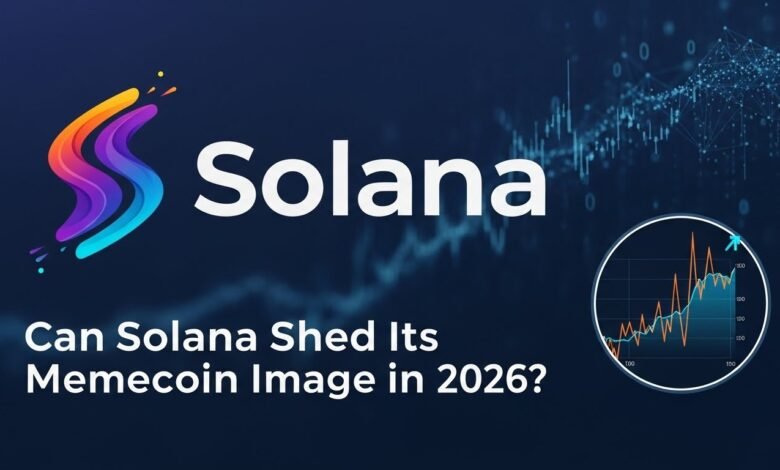
Solana can shed its memecoin image in 2026 and establish itself as a serious contender in the institutional and enterprise blockchain space. This reputation challenge stems from the explosive popularity of memecoin trading on the network, which has both boosted transaction volumes and created perception problems among traditional investors and institutional players who view the platform as predominantly speculative rather than fundamentally innovative.
The Solana memecoin image 2026 debate represents more than just a branding issue. It touches on fundamental questions about blockchain adoption, market maturity, and the balance between retail engagement and institutional credibility. As we navigate through 2026, the platform faces a critical juncture where strategic decisions and ecosystem developments will determine whether it can successfully pivot from being perceived as a memecoin casino to being recognized as a legitimate infrastructure layer for the next generation of decentralized applications and financial services.
Solana’s Memecoin Association
The relationship between Solana and memecoins didn’t happen by accident. The network’s technical architecture, featuring sub-second finality and transaction costs measured in fractions of a cent, created the perfect environment for high-frequency trading and speculative token launches. Throughout 2023 and into 2025, the Solana blockchain ecosystem became synonymous with viral token launches, pump-and-dump schemes, and the cultural phenomenon of memecoin mania that attracted millions of retail traders seeking quick profits.
This association intensified when platforms specifically designed for memecoin creation and trading chose Solana as their primary infrastructure. The ease of token deployment, combined with the network’s ability to handle massive transaction volumes without grinding to a halt, made it the preferred choice for developers and traders in the memecoin space. While this brought unprecedented activity and attention to the network, it also created a perception problem that has proven difficult to shake.
The cryptocurrency memecoins phenomenon on Solana reached fever pitch during several notable periods when individual tokens would gain billions in market capitalization within days, only to crash just as quickly. These cycles attracted mainstream media attention, but often for the wrong reasons. News outlets focused on the speculative frenzy, the stories of overnight millionaires and devastating losses, rather than the underlying technological capabilities that made such activity possible in the first place.
The Technical Foundation Beyond Memecoins
Despite the memecoin narrative dominating headlines, the Solana network development has continued advancing at a remarkable pace. The platform’s core technology represents genuine innovation in blockchain architecture, with its proof-of-history consensus mechanism enabling throughput that rivals traditional payment networks. This technical sophistication positions Solana as infrastructure capable of supporting complex applications far beyond simple token speculation.
The network’s performance metrics speak to capabilities that extend well beyond facilitating memecoin trades. With the ability to process tens of thousands of transactions per second and maintain consistent block times even under heavy load, Solana blockchain ecosystem provides the scalability that many enterprise applications require. These characteristics make it theoretically suitable for everything from payment processing and supply chain management to gaming infrastructure and decentralized social networks.
Recent upgrades to the network have focused on stability and reliability, addressing some of the outage issues that plagued earlier versions. The development team has implemented improvements to validator software, enhanced network resilience mechanisms, and optimized state management to handle growing data requirements. These technical enhancements demonstrate a commitment to building production-grade infrastructure that can support serious applications, not just speculative trading activity.
Institutional Adoption and Enterprise Interest
One of the strongest indicators that Solana can overcome its memecoin reputation lies in the growing institutional interest the platform has attracted. Major financial institutions and established technology companies have begun exploring Solana for various use cases, recognizing the technical merits that exist beneath the memecoin surface layer. This Solana institutional adoption represents a potential inflection point in the platform’s evolution and public perception.
Traditional finance entities have started issuing tokenized assets on Solana, taking advantage of the network’s speed and cost efficiency for settlement operations. These initiatives bring a level of legitimacy and regulatory scrutiny that naturally pushes the ecosystem toward greater maturity and professional standards. When respected financial institutions choose a platform for real-world asset tokenization or payment infrastructure, it sends a powerful signal about the underlying technology’s credibility and viability.
Technology giants exploring blockchain integration have also shown interest in Solana enterprise solutions, evaluating the platform for applications requiring high throughput and low latency. From gaming companies considering blockchain-based item economies to social media platforms exploring decentralized identity solutions, the range of enterprise use cases under development suggests a diversification away from the speculative trading that has defined the platform’s public image.
The challenge for these institutional players involves navigating the perception problem. Many potential enterprise adopters express concerns about associating their brands with a platform known primarily for volatile memecoin trading. This creates a chicken-and-egg situation where increased institutional adoption would help change perceptions, but current perceptions may slow institutional adoption. Breaking this cycle requires both technical excellence and strategic communication about the platform’s broader capabilities and vision.
Decentralized Finance Evolution on Solana
The decentralized finance Solana sector has matured considerably, developing sophisticated protocols that rival those on other major blockchain platforms. These DeFi applications represent a middle ground between the speculative memecoin trading and the more conservative institutional use cases, demonstrating that the Solana blockchain ecosystem can support complex financial primitives and serious capital deployment.
Lending and borrowing protocols on Solana have attracted billions in total value locked, providing yield opportunities and leverage options for users across the crypto spectrum. These protocols operate with levels of sophistication comparable to traditional financial services, featuring risk management systems, liquidation mechanisms, and governance structures that reflect lessons learned from the broader DeFi sector’s evolution. The success of these platforms demonstrates that Solana can serve as infrastructure for serious financial activity, not just speculative token launches.
Decentralized exchange infrastructure on the network has also evolved significantly, with automated market makers and order book-based exchanges processing billions in daily volume across a wide range of trading pairs. While memecoin trading certainly contributes to these volumes, the infrastructure increasingly supports serious traders and liquidity providers engaged in market making, arbitrage, and other professional trading strategies. This diversification of trading activity helps normalize the ecosystem and reduces the relative prominence of memecoin speculation.
The development of more complex DeFi primitives, including derivatives platforms, structured products, and cross-chain bridges, further demonstrates the network’s capability to support sophisticated financial engineering. These applications require reliability, security, and performance characteristics that go far beyond what memecoin trading demands, and their successful operation on Solana provides evidence of the platform’s readiness for more serious financial applications.
Developer Ecosystem and Application Diversity
The strength and diversity of the developer community building on Solana represents perhaps the most promising factor in the platform’s evolution beyond its memecoin association. While memecoin creators certainly form part of this community, they represent only a fraction of the builders working to expand the ecosystem’s capabilities and use cases. The broader developer ecosystem has grown to include teams working on gaming, social applications, payment solutions, and infrastructure tools that have nothing to do with speculative tokens.
Gaming applications have found a natural home on Solana, leveraging the network’s performance characteristics to deliver responsive, blockchain-integrated experiences. From fully on-chain games to hybrid models that utilize the blockchain for asset ownership and marketplace functionality, developers have recognized that Solana’s technical capabilities align well with gaming requirements. These applications attract users for entertainment value rather than pure speculation, helping diversify the network’s user base and use cases.
Social media and content creation platforms building on Solana represent another category of applications that could significantly shift the platform’s image. These projects aim to give creators more control over their content and direct relationships with audiences, using blockchain technology for identity, monetization, and content distribution. Success in this category would bring mainstream users to the network for purposes entirely unrelated to financial speculation, fundamentally changing the composition of network activity.
Payment and commerce applications have also emerged as a significant category within the ecosystem. The network’s speed and low costs make it theoretically suitable for point-of-sale transactions and merchant payment processing, capabilities that could transform it into infrastructure for everyday commerce rather than just speculative trading. Several projects are working to build merchant tools, payment processors, and consumer wallets that would enable this evolution, though mainstream adoption remains in early stages.
Regulatory Environment and Compliance Framework
The regulatory landscape surrounding blockchain technology continues to evolve, with implications for how platforms like Solana are perceived and utilized. The blockchain reputation management challenge intensifies when regulatory attention focuses on the speculative and potentially fraudulent activity that has characterized parts of the memecoin phenomenon. However, regulatory clarity and compliance infrastructure could actually help Solana distance itself from its most problematic associations.
Regulatory frameworks emerging in major jurisdictions increasingly distinguish between different types of blockchain activity and token classifications. This differentiation creates opportunities for platforms to position themselves as compliant infrastructure for regulated activities, separating legitimate use cases from the Wild West atmosphere of unregulated token launches. Solana’s technical capabilities make it well-suited to support compliant applications, but the platform needs ecosystem-wide efforts to implement and enforce standards that appeal to regulators.
Compliance tooling and infrastructure developing on Solana includes identity verification solutions, transaction monitoring capabilities, and smart contract standards designed to meet regulatory requirements. These tools enable developers to build applications that can satisfy Know Your Customer and Anti-Money Laundering requirements, opening doors to regulated use cases that would be impossible without such infrastructure. The growth of this compliance layer provides practical means for legitimate projects to operate on the network while creating clear distinctions from the unregulated memecoin activity.
Engagement with regulators and policymakers represents another dimension of the effort to reshape crypto market perception around Solana. Representatives from the Solana Foundation and major ecosystem projects have increasingly participated in regulatory discussions, providing technical education and advocating for frameworks that recognize the legitimate use cases blockchain technology can serve. This proactive approach to regulatory engagement contrasts sharply with the regulatory avoidance that characterized earlier crypto industry behavior and signals maturity that could help change perceptions.
Marketing and Brand Repositioning Strategy
Changing the Solana memecoin image 2026 requires more than just technical development and new use cases; it demands deliberate communication and brand positioning efforts. The challenge involves acknowledging the platform’s current associations while highlighting the broader capabilities and vision that extend far beyond memecoin trading. This blockchain reputation management effort must be authentic and backed by substance rather than merely cosmetic rebranding.
Storytelling that emphasizes real-world use cases and the problems blockchain technology can solve represents one approach to repositioning. Instead of leading with technical specifications or token prices, communication could focus on how Solana-based applications are improving payment systems, enabling new forms of digital ownership, or creating opportunities for creators and communities. These narratives resonate with audiences beyond crypto enthusiasts and help establish relevance to mainstream concerns and opportunities.
Partnership announcements and ecosystem developments receive coverage that shapes public perception, making strategic communication around these events crucial. When major institutions or respected brands choose to build on Solana, the messaging around these partnerships should emphasize the technical reasons for the selection and the problems being solved, not just the validation the partnership provides. This substance-focused approach to public relations helps build credibility with audiences that might be skeptical of blockchain technology or dismissive of platforms associated with speculation.
Community education efforts also play a role in perception management. Much of the general public’s understanding of blockchain platforms comes from media coverage of dramatic price movements and speculative excess. Educational content that explains the technology, its capabilities, and its potential applications in accessible terms can help create more nuanced understanding among non-technical audiences. This groundwork makes it easier for people to appreciate developments beyond trading activity and recognize the platform’s broader potential.
Competition and Differentiation in the Blockchain Space
The competitive landscape among blockchain platforms influences how Solana is perceived and whether it can successfully evolve beyond its current image. Competing platforms have their own associations and reputations, from Ethereum’s position as the incumbent DeFi platform to newer chains marketing themselves as enterprise-focused from inception. Understanding this competitive context helps clarify both the challenges Solana faces and the opportunities available for differentiation.
Ethereum’s evolution toward proof-of-stake and its continued dominance in certain categories demonstrates that technical transitions and reputation shifts are possible, though they require time and sustained effort. Ethereum has successfully maintained its position as the most trusted platform for serious DeFi applications despite its own association with speculative token launches and volatility. This precedent suggests that Solana can overcome its memecoin reputation if it can demonstrate similar staying power and continued development.
Newer blockchain platforms attempting to capture enterprise and institutional markets often position themselves explicitly against the crypto-native platforms, emphasizing regulatory compliance, governance structures, and partnerships with traditional businesses. These competitors highlight the perception challenges that platforms like Solana face when trying to appeal to conservative institutional buyers. However, they also typically lack the network effects, developer ecosystems, and battle-tested infrastructure that established platforms have developed through years of operation under real-world conditions.
Solana’s differentiation strategy must leverage its genuine technical advantages while addressing the perception issues head-on. The platform’s performance characteristics, when combined with growing ecosystem maturity and institutional adoption, create a unique value proposition that no single competitor can easily replicate. The challenge involves communicating this value proposition effectively to audiences that may have preconceptions based on the memecoin narrative rather than technical evaluation of capabilities and ecosystem depth.
Measuring Progress Beyond Price Action
Assessing whether Solana is shedding its memecoin image requires looking at metrics beyond token price and trading volumes. While these financial metrics capture attention, they don’t necessarily reflect the underlying health and diversification of the ecosystem. Alternative indicators provide better insight into whether the platform is successfully evolving toward greater maturity and broader utility.
Developer activity metrics, including new project launches, repository commits, and technical improvements, offer one window into ecosystem health. An increasing proportion of development focused on use cases beyond memecoins would indicate diversification of the ecosystem. Similarly, the growth of developer tools, educational resources, and infrastructure projects suggests a maturing ecosystem that supports increasingly sophisticated applications.
User engagement patterns provide another set of relevant metrics. Analysis of on-chain activity that distinguishes between different application categories can reveal whether users are engaging with the platform for diverse purposes or whether memecoin trading continues to dominate actual usage. Growth in users interacting with DeFi protocols, NFT marketplaces, gaming applications, or other categories would demonstrate practical diversification beyond speculation.
Institutional capital deployment represents perhaps the most significant indicator of reputation evolution. Traditional metrics like assets under management in institutional-grade protocols, corporate treasury holdings, or venture capital investment in ecosystem projects all reflect whether sophisticated actors view the platform as worthy of serious capital allocation. These metrics tend to be lagging indicators, changing slowly as reputations shift and comfort levels increase, but they ultimately determine whether Solana institutional adoption reaches meaningful scale.
The Path Forward: Realistic Timeline and Expectations
Transforming the Solana memecoin image 2026 represents a multi-year journey rather than a quick fix achievable through single announcements or developments. Reputation evolution in technology markets typically occurs gradually as consistent evidence accumulates that contradicts previous narratives. Understanding this timeline helps set realistic expectations for what progress might look like throughout 2026 and beyond.
Short-term indicators of progress include continuing diversification of ecosystem applications, growth in non-speculative use cases, and increasing engagement from institutional players. These early signals won’t immediately change mainstream perception but will provide the foundation for longer-term reputation shifts. The platform can build momentum through consistent communication of these developments and by ensuring that new high-profile projects receive appropriate attention and support.
Medium-term success factors involve scaling institutional adoption beyond pilot projects to production deployments handling significant value and transaction volumes. This transition requires not just technological capability but also the development of service providers, compliance infrastructure, and best practices that make institutional adoption practical and manageable. As these ecosystem components mature, they create conditions for broader institutional engagement that can materially shift perceptions.
Long-term reputation transformation depends on mainstream applications achieving significant adoption and becoming the primary association people have with the platform. This shift happens when typical users interact with Solana-based applications without necessarily knowing or caring about the underlying blockchain infrastructure, and when media coverage focuses more on successful applications and use cases than on speculative token trading. Achieving this level of mainstreaming represents the ultimate success in moving beyond the memecoin image.
Conclusion
The question of whether Solana can shed its memecoin image in 2026 doesn’t have a simple yes or no answer. The platform stands at a crossroads where technical capabilities, ecosystem development, institutional interest, and market perception intersect to create both opportunity and challenge. The foundation for reputation evolution exists in the form of genuine technical merit, growing developer activity, and increasing institutional exploration, but transforming these advantages into mainstream recognition as serious blockchain infrastructure requires sustained effort across multiple dimensions.
Success in this transformation depends on the collective actions of the entire Solana blockchain ecosystem, from core developers and the Solana Foundation to project teams building applications and investors allocating capital. Each participant plays a role in either reinforcing the memecoin association through continued emphasis on speculative activity or demonstrating the platform’s broader capabilities through development and promotion of substantive use cases. The path forward requires both technical excellence and strategic communication that consistently highlights the platform’s evolution beyond its current reputation.
For investors, developers, and enterprises evaluating Solana as potential infrastructure for their projects and capital, 2026 represents a critical period to watch. The developments unfolding throughout this year will provide strong signals about the platform’s trajectory and its ability to establish itself as more than a memecoin trading venue. Those willing to look beyond current perceptions and evaluate the underlying technology and ecosystem fundamentals may find significant opportunities in a platform working to prove its maturity and versatility.
Are you ready to explore how the Solana blockchain ecosystem is evolving beyond memecoins? Stay informed about institutional developments, new application launches, and ecosystem growth that demonstrate the platform’s expanding capabilities and potential to reshape its market reputation in 2026 and beyond.
See more;NFT & Memecoin Markets Bounce Back After Crypto Slump