
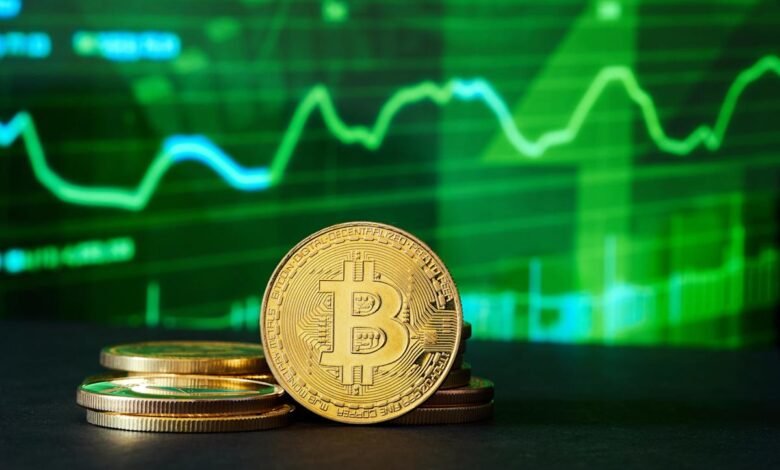
The cryptocurrency market has once again captured global attention as Bitcoin rises above $76,500, fueled by renewed optimism surrounding geopolitical developments and improving macroeconomic conditions. This Bitcoin Rises Above surge reflects a broader shift in global risk sentiment, where investors are increasingly willing to allocate capital toward high-growth and Bitcoin Rises Above risk-sensitive assets like cryptocurrencies.
Among the many catalysts driving this upward momentum, hopes of a potential Iran deal have emerged as a significant factor influencing market psychology. In recent years, Bitcoin has evolved from a niche digital asset into a mainstream financial instrument that reacts to global macro trends, including interest rates, inflation expectations, and geopolitical tensions.
The latest rally underscores how deeply interconnected the crypto market has become with traditional financial systems. As discussions around diplomatic resolutions in the Middle East gain traction, investors are interpreting these developments as a sign of reduced uncertainty, thereby boosting demand for assets such as Bitcoin, Ethereum, and altcoins.
This article explores the key drivers behind the recent surge, examines how geopolitical developments impact crypto markets, and provides a detailed outlook on where Bitcoin could be heading next.
Bitcoin’s Break Above $76,500: What’s Driving the Rally?
The breakout above $76,500 marks a significant milestone in Bitcoin’s ongoing bullish cycle. This price movement is not occurring in isolation but is instead supported by a combination of macroeconomic and market-specific factors.
Renewed Risk Appetite in Global Markets
One of the primary reasons Bitcoin rises above $76,500 is the resurgence of risk-on sentiment across global markets. When investors feel more confident about economic stability, they tend to move capital into assets that offer higher returns, albeit with higher risk. Cryptocurrencies, particularly Bitcoin, are among the top beneficiaries of this shift.
The easing of geopolitical tensions, particularly surrounding the Iran deal, has reduced fears of supply chain disruptions and energy price volatility. This has created a more stable environment for investors, encouraging them to explore opportunities in digital assets.
Institutional Inflows and Market Confidence
Another critical factor contributing to the rally is the increase in institutional investment in Bitcoin. Large financial institutions, hedge funds, and asset managers are continuing to expand their exposure to cryptocurrencies. The presence of institutional capital not only provides liquidity but also enhances market credibility.
As institutional participation grows, it creates a reinforcing cycle where rising prices attract more investors, further pushing Bitcoin higher. This dynamic has played a crucial role in sustaining the current upward trend.
Technical Breakout and Momentum Trading
From a technical perspective, Bitcoin’s move above $76,500 represents a strong breakout level. Traders often view such levels as confirmation of bullish momentum, leading to increased buying activity.
Momentum traders and algorithmic trading systems have also contributed to the rally. Once Bitcoin crossed key resistance levels, automated trading strategies amplified the upward movement, accelerating the price surge.
Iran Deal Hopes and Their Impact on Risk Sentiment
Geopolitical developments have always influenced financial markets, and the crypto sector is no exception. The potential Iran deal has become a focal point for investors, shaping their outlook on global stability.
Reduced Geopolitical Tensions
The possibility of a diplomatic agreement with Iran signals a reduction in geopolitical tensions in a historically volatile region. This has significant implications for global markets, particularly in terms of energy prices and economic stability.
Lower geopolitical risk translates into improved investor confidence, which in turn boosts demand for risk assets. As a result, Bitcoin rises above $76,500 as part of a broader market rally.
Impact on Energy Markets and Inflation
Energy prices play a crucial role in shaping inflation expectations. A potential Iran deal could lead to increased oil supply, thereby stabilizing or even reducing energy prices.
Lower inflation pressures often encourage central banks to adopt more accommodative monetary policies. This environment is generally favorable for cryptocurrencies, as it increases liquidity in the financial system and supports asset price growth.
Psychological Boost for Investors
Beyond the tangible economic effects, geopolitical developments also have a psychological impact on investors. Positive news regarding diplomatic progress creates a sense of optimism, encouraging risk-taking behavior.
This shift in sentiment is a key driver behind the recent surge in Bitcoin and other cryptocurrencies.
The Role of Macroeconomic Factors in Bitcoin’s Rise
While geopolitical developments are important, they are only one piece of the puzzle. Several macroeconomic factors are also contributing to the current rally.
Interest Rate Expectations
Interest rates are a major determinant of asset prices. When rates are low or expected to decline, investors are more likely to seek higher returns in alternative assets such as cryptocurrencies.
The current environment suggests that central banks may adopt a more dovish stance, which is supportive of Bitcoin’s upward trajectory.
Inflation and Store of Value Narrative
Bitcoin is often referred to as “digital gold” due to its perceived ability to act as a hedge against inflation. As inflation concerns persist, many investors are turning to Bitcoin as a store of value.
This narrative has gained traction in recent years, further strengthening Bitcoin’s position in the global financial system.
Liquidity and Capital Flows
Global liquidity levels have a direct impact on cryptocurrency markets. Increased liquidity means more capital is available for investment, which can drive up asset prices.
The recent surge in Bitcoin reflects strong capital inflows into the crypto market, supported by both retail and institutional investors.
Market Reactions Altcoins and Broader Crypto Trends
Bitcoin’s rally has had a ripple effect across the entire cryptocurrency market. As Bitcoin rises above $76,500, altcoins have also experienced significant gains.
Altcoin Surge and Market Rotation
When Bitcoin leads a rally, it often triggers a rotation of capital into altcoins. Investors who have profited from Bitcoin may diversify their holdings into smaller cryptocurrencies, seeking higher returns.
This has resulted in a broad-based rally across the crypto market, with many altcoins outperforming Bitcoin in percentage terms.
Increased Trading Volume and Market Activity
The surge in Bitcoin’s price has been accompanied by a significant increase in trading volume. Higher trading activity indicates strong market participation and reinforces the bullish trend.
Exchanges have reported increased user activity, highlighting the growing interest in cryptocurrencies.
Technical Analysis What Comes Next for Bitcoin?
Understanding the technical outlook is essential for predicting future price movements.
Key Support and Resistance Levels
After breaking above $76,500, Bitcoin has established a new support level. If the price remains above this level, it could pave the way for further gains.
The next resistance levels are likely to be psychological milestones, such as $80,000 and beyond.
Momentum Indicators and Market Strength
Technical indicators such as the Relative Strength Index (RSI) and moving averages suggest strong bullish momentum. However, traders should remain cautious of potential overbought conditions.
Potential for Short-Term Corrections
While the overall trend is bullish, short-term corrections are a natural part of any market cycle. These pullbacks can provide opportunities for new investors to enter the market.
Risks and Challenges Ahead
Despite the optimistic outlook, there are several risks that could impact Bitcoin’s trajectory.
Geopolitical Uncertainty
While Iran deal hopes are सकारात्मक, any setbacks in negotiations could quickly reverse market sentiment. Geopolitical developments remain unpredictable and can lead to sudden market volatility.
Regulatory Concerns
Regulation continues to be a key challenge for the cryptocurrency industry. Any adverse regulatory developments could negatively impact investor confidence.
Market Volatility
Cryptocurrencies are inherently volatile. Sudden price swings can occur, driven by factors such as market sentiment, news events, and trading activity.
Long-Term Outlook for Bitcoin
The long-term outlook for Bitcoin remains positive, supported by several structural factors.
Growing Adoption and Use Cases
Bitcoin’s adoption continues to grow, with more businesses and institutions integrating it into their operations. This increased adoption strengthens its value proposition.
Technological Advancements
Ongoing developments in blockchain technology are enhancing the functionality and scalability of cryptocurrencies. These advancements are likely to support long-term growth.
Institutional Integration
The integration of Bitcoin into traditional financial systems is a major driver of its long-term potential. As more institutions embrace cryptocurrencies, the market is expected to mature and stabilize.
Also Read: Bitcoin Price Rises Above $100K After Jobs Data Shock