


The cryptocurrency market is widely recognized for its extreme volatility, creating both massive profit opportunities and serious risks for investors. While bullish phases often dominate headlines with rapid price Crypto bear market signals surges and hype, a bearish crypto market plays an equally important role in shaping long-term trends. This phase is typically defined by falling prices, declining confidence, and weakening momentum across digital assets. Understanding these conditions early allows traders to manage risks and make smarter decisions.
Unlike traditional markets, crypto operates 24/7 and reacts quickly to global news, investor sentiment, and Crypto bear market signals economic shifts. Major assets like Bitcoin and Ethereum often influence the direction of the entire market. By analyzing their movements, investors can identify broader trends. In this article, we break down the three key signs of a bearish crypto market and explain how to navigate them effectively.
Sustained Price Declines and Lower Highs
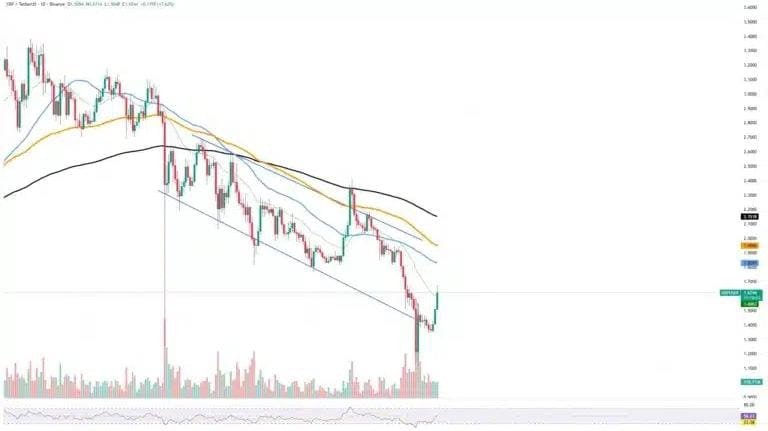
A clear sign of a bearish crypto market is a continuous drop in prices over time. However, it’s not just about falling prices—it’s about the pattern they follow. Markets in decline often show a consistent inability to recover to previous highs. This signals that buyers are losing strength Crypto bear market signals while sellers gain control. Over time, this creates a downward trend that becomes difficult to reverse.
In technical analysis, this pattern is known as lower highs and lower lows, which reflects weakening demand. Each price rebound becomes weaker than the last, showing declining confidence Crypto bear market signals among investors. When this trend appears in major cryptocurrencies like Bitcoin, it often spreads across altcoins. As a result, the entire market begins to reflect a bearish sentiment, making recovery slower and more uncertain.
The psychological impact is also significant, as prolonged losses lead to fear and panic selling. Investors Crypto bear market signals become hesitant, reducing new capital entering the market. This lack of buying pressure further strengthens the bearish cycle and keeps prices suppressed for longer periods.
Declining Trading Volume and Liquidity
Another strong indicator of a bearish crypto market is a noticeable decrease in trading volume and liquidity. Volume reflects how actively assets are being traded, and in a healthy market, price increases are supported by strong participation. When volume drops, it signals a lack of interest and confidence among traders. This weak participation often leads to unstable price movements.
Liquidity also plays a crucial role in market stability, as it determines how easily assets can be bought or sold. In bearish conditions, liquidity tends to shrink as investors exit positions or hold back from entering the market. This can cause sharp price swings even with small trades, increasing overall volatility. Such conditions make trading riskier and discourage both retail and institutional investors.
Additionally, reduced activity on exchanges leads to wider bid-ask spreads, making transactions less efficient. Institutional investors may also pull back, further reducing market strength. As liquidity dries up, the market struggles to regain momentum, prolonging the bearish phase and making recovery more challenging.
Negative Market Sentiment and Fear Indicators
Negative sentiment is one of the most powerful drivers of a bearish crypto market. The crypto space is highly influenced by emotions, and fear can spread rapidly among investors. When confidence drops, even small negative events can trigger large sell-offs. This emotional reaction often accelerates price declines and deepens the bearish trend.
Tools like the Crypto Fear and Greed Index help measure market sentiment, and during bearish phases, it typically shows extreme fear. This indicates that investors are cautious or panicking, leading to reduced buying activity. Media coverage and social platforms also amplify negativity, especially during regulatory issues or market crashes.
Macroeconomic factors such as inflation, rising interest rates, and global uncertainty further contribute to negative sentiment. Investors tend to move their funds into safer assets during such times. Even long-term holders may start selling under pressure, increasing supply in the market. This combination of fear, uncertainty, and reduced demand keeps the market in a bearish state.
How to Navigate a Bearish Crypto Market

Understanding the signs of a bearish crypto market is essential, but knowing how to respond is even more important. Investors must adopt strategies that protect their capital while preparing for future opportunities. Proper planning can make a significant difference during downturns.
Risk management is crucial in such conditions, including setting stop-loss levels and avoiding excessive leverage. Diversification also helps reduce potential losses by spreading investments across different assets. Staying disciplined and avoiding emotional decisions can prevent unnecessary losses.
Another effective strategy is dollar-cost averaging (DCA), where investors regularly invest fixed amounts regardless of market conditions. This approach reduces the impact of volatility and allows accumulation at lower prices. Bearish markets can also present buying opportunities for strong projects with solid fundamentals, making patience a valuable asset.
The Importance of Market Cycles
Cryptocurrency markets move in cycles, shifting between bullish and bearish phases over time. Recognizing these cycles helps investors stay prepared and avoid panic during downturns. Bearish periods are not permanent but rather a natural part of market behavior.
Historically, every major downturn has eventually been followed by recovery and growth. This pattern highlights the importance of long-term thinking and patience. Investors who understand cycles are better equipped to handle volatility and make informed decisions.
By studying past trends, traders can identify patterns and improve their strategies. Learning from previous market movements reduces emotional reactions and helps build confidence. Understanding cycles ultimately provides a clearer perspective on the market’s long-term potential.
Also More: Crypto Stocks Pare Gains as Bitcoin Retreats From $90K Rally